Stop chasing
your loads.
Join 500+ brokers and carriers using Load Market for real-time visibility on every load.

Home > Blog > How to Reduce Check Calls Without Losing Shipment Visibility

TRACKING TIPS

How to Reduce Check Calls Without Losing Shipment Visibility

July 2026
6 min read

Check calls waste time, distract your team, and still don’t always give you the answers you need. With the right visibility and automation, you can reduce check calls by up to 80% while improving customer experience.

Every freight broker knows the routine. A customer asks where the shipment is, the dispatcher calls the driver, waits for an answer, and then relays the information back to the customer. Repeat that process dozens of times every day, and check calls quickly become one of the biggest hidden productivity killers in freight operations.

Fortunately, modern shipment visibility tools make this process almost entirely unnecessary. With real-time GPS tracking, automated updates, and proactive alerts, brokers can dramatically reduce manual check calls while giving customers better visibility than a phone call ever could.

Why Check Calls Are a Problem

Every check call takes time. Multiply that by dozens of loads per day and the impact adds up fast.

They take time away from high-value work

Drivers are interrupted while driving

Information is often incomplete or outdated

They increase operational costs

Every manual check call creates work for multiple people. A broker pauses what they're doing to contact the driver. The driver has to answer while managing traffic, deliveries, or loading operations. Once the information is collected, it still needs to be shared with the customer.

The biggest issue is that the information is already becoming outdated the moment the call ends. Traffic conditions change, drivers stop for fuel, and ETAs shift throughout the day. A phone conversation only captures a single moment, while customers increasingly expect continuous shipment visibility.

The Real Cost of Check Calls

Here’s what frequent check calls are really costing your business.

40+

Calls per load
(on average)

20-30 min

Spent per load
on calls

$1600+

Wasted per driver
per month

While one phone call may only take a few minutes, those minutes accumulate surprisingly fast across an entire operation. Brokers managing dozens or even hundreds of shipments every week can spend several hours every day simply requesting location updates.

Besides labor costs, manual communication increases the likelihood of delayed responses, inconsistent information, and frustrated customers waiting for updates. Instead of focusing on exceptions that truly require attention, teams spend valuable time answering routine questions that software can handle automatically.

How to Reduce Check Calls Without Losing Shipment Visibility

Here’s what strategies to keep every shipment visible - without picking up the phone.

1

Real-Time Tracking

See live location updates every 20 seconds.Know exactly where your load is.

2

Automated Email Updates

Send location and ETA updates automaticallyto customers and internal teams.

3

Driver Chat in One Place

Message drivers instantly without calling.AI translation included.

4

Smart Alerts

Get notified about delays, stops, orunusual activity before problems grow.

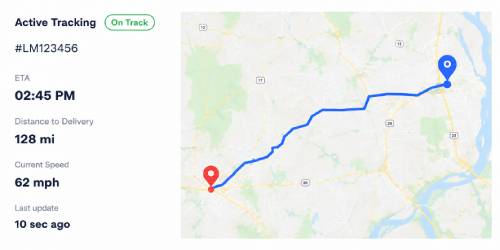
Real-time shipment tracking changes the entire communication workflow. Instead of waiting for someone to request an update, location data is collected automatically and shared with everyone who needs it.

Dispatchers gain a live overview of every shipment, customers receive accurate ETAs, and drivers spend less time answering unnecessary phone calls. Everyone works from the same source of truth, reducing confusion and improving response times when something unexpected happens.

Why Customers Prefer Live Shipment Visibility

Customers don't actually want more phone calls - they want better information.

When customers can see shipment progress in real time or receive automatic status updates by email, they no longer need to contact the broker for routine updates. This creates a better customer experience while significantly reducing inbound calls to your operations team.

Live visibility also improves trust. Customers know exactly when a shipment is moving, when it stops, and when it's expected to arrive, allowing them to better plan receiving operations and reduce uncertainty.

Common Mistakes That Keep Check Calls High

Many companies invest in shipment tracking but continue relying on manual communication because they don't fully automate their workflows.

Some of the most common mistakes include waiting until customers ask for updates, manually forwarding shipment information by email, calling drivers for every ETA change, and using multiple disconnected systems to track loads.

Reducing check calls isn't just about installing tracking software-it's about building a workflow where information reaches the right people automatically.

Best Practices for Reducing Check Calls

Companies that successfully reduce check calls usually follow a consistent process. They request tracking before pickup, enable automatic customer notifications, configure alerts for delays, and centralize shipment visibility in a single dashboard.

By proactively sharing information instead of reacting to phone calls, operations teams can focus on solving real problems rather than answering repetitive questions throughout the day.

GET STARTED TODAY

Stop chasing
your
loads.

Join 500+ brokers and carriers using Load Market for real-time visibility on every load.
Setup in under 30 minutes.

No credit card required  ·  Cancel anytime